An air sample for mold is a short snapshot. A pump draws a measured volume of air through a collection device for a few minutes, and the laboratory later examines what was captured. Because the sample reflects only the air at that moment, the hours and days before the visit can shape the result as much as the house itself. A freshly vacuumed rug, an open window on a windy afternoon or a box of old papers moved out of the basement that morning can all shift what ends up on the sample.
This guide covers the practical side of getting ready: what “closed-house conditions” usually means, which everyday activities to pause, how to make the areas of concern reachable, and what information to have on hand for the inspector. Your inspector’s specific instructions always take priority over general guidance, because the right preparation depends on why the sampling is being done.
Key point: The goal of preparation is not to make the house look better or worse. It is to make the air at sampling time represent normal living conditions, so the indoor samples can be compared fairly with the outdoor reference sample.
Why preparation affects an air sample
The U.S. EPA notes that air sampling provides information only for the moment in time when the sample was taken, and that results can be hard to interpret without experience. Most indoor mold air sampling compares indoor samples with an outdoor sample collected during the same visit. If the house has been wide open all day, indoor air starts to resemble outdoor air and differences can be masked. If someone has just stirred up dust, the indoor sample may show a short-lived spike that has little to do with the building’s ongoing condition.
Neither outcome helps you make a decision. Good preparation reduces those short-term distortions so the numbers and spore types the lab reports are more meaningful.
What “closed-house conditions” usually means
Inspectors often ask that the home be kept in a closed condition for a period before sampling. The exact window varies by inspector and situation, so ask for it when you book. In general it looks like this:
- Windows stay shut. Keep all windows closed, including basement hopper windows and any window cracked open for pets or ventilation.
- Exterior doors are used normally but not propped. Coming and going is fine. Leaving a garage-to-house door, slider or storm door open for long stretches is not.
- Heating and cooling run as they normally do. Most inspectors want the HVAC system operating the way it usually operates so the sample reflects typical conditions. If the system is off for the season, ask whether to turn it on.
- Whole-house fans and window fans stay off. These pull in large volumes of outdoor air and can quickly change indoor conditions.
- Ask before changing anything. Bath and kitchen exhaust fans used briefly are normally fine, but if you run a dehumidifier, fresh-air intake or air purifier continuously, ask the inspector whether it should keep running or be switched off, and tell them what you decided.
Activities to pause beforehand
Many routine chores put particles into the air. The table below lists common ones and why they matter. Ask your inspector how far ahead to stop each one.
| Activity | Why it can affect the sample | Suggested approach |
|---|---|---|
| Vacuuming, sweeping, dusting | Stirs settled dust and spores into the air for a period afterward | Finish routine cleaning well before the visit, not that morning |
| Deep cleaning or spraying cleaners on suspect areas | Can disturb growth, mask odors and change what is visible | Leave suspect areas as they are so the inspector sees actual conditions |
| Moving stored boxes, furniture or carpets | Releases dust from areas that have sat undisturbed | Plan any moving well ahead, or wait until after the visit |
| Renovation, drywall cutting, sanding | Generates large amounts of airborne dust | Pause work; tell the inspector about recent projects |
| Candles, incense, smoking, fireplace use | Adds combustion particles that can crowd the sample | Avoid on the day of sampling |
| Aerosol sprays, air fresheners, foggers | Adds particles and can cover odors the inspector uses as clues | Skip them before the visit |
| Laundry and dryer use in the sampling area | Lint and air movement near the sampling location | Avoid running the dryer during the visit |
A few points deserve extra emphasis. Do not open up walls, pull back carpet or peel wallpaper to “check” before the visit. The EPA cautions that disturbing hidden mold, such as removing wallpaper over a growth area, can release a large quantity of spores. Leave that for a planned, controlled step after the inspection.
Weather and timing
Because the outdoor sample is the comparison point, outdoor conditions matter too. Heavy rain, strong wind, snow cover or major yard work nearby (leaf blowing, mowing, mulching) can change outdoor spore levels in ways that make comparison harder. If the forecast looks unusual, it is reasonable to ask your inspector whether to keep the appointment. Tell the inspector about any lawn or landscaping work that happened the same day.
Clear access to the places that matter
Sampling is only part of the visit. The inspector also looks for moisture sources, staining, odors and conditions that explain the sample results. That requires access. Before the appointment:
- List your areas of concern. Write down the rooms or spots that prompted the call, such as a musty closet, a basement corner or a bathroom ceiling stain.
- Open a path. Make sure the inspector can walk to and stand near those areas. A clear path of a few feet is usually enough.
- Unlock and light the hard-to-reach spaces. Attic hatches, crawlspace doors, utility closets and the area around the furnace or air handler should be reachable. Move items off pull-down attic ladders.
- Clear under-sink cabinets in kitchens and baths if leaks are a concern, so the cabinet floor and back wall can be seen.
- Secure pets. Pets moving through a room can stir dust, and some pets do not tolerate visitors in their space.
- Arrange entry for multi-unit buildings. If the concern involves a neighboring unit, common area or mechanical room, coordinate access with the building manager or association in advance.
Do this access work several days early if it involves moving stored items, so dust has time to settle before sampling day.
Gather documentation before the visit
A sample result is far more useful when it can be connected to the building’s history. Collect what you have and keep it in one place:
- Water history: dates and locations of leaks, floods, sump failures, ice dams, roof or plumbing problems, and what was done about them.
- Photos: pictures of past water events, staining or visible growth, especially if anything has since been painted over or replaced.
- Prior reports: earlier inspection or testing reports, home inspection notes from a purchase, and any work scopes from contractors.
- Recent changes: new flooring, roofing, HVAC work, humidifiers, or a change in how the house is heated or ventilated.
- Questions you need answered: for example, whether the basement air differs from upstairs, or whether a past leak area still shows elevated moisture.
If health concerns are part of the reason for testing, note that sampling does not diagnose illness. Questions about symptoms belong with a doctor or your local health department, and an inspector can share the report with them if you choose.
On the day of sampling
What the inspector will usually do
Expect a short conversation about your concerns, a walk-through of the home, moisture readings on suspect materials, and air samples collected at chosen indoor locations plus at least one outdoor location. The inspector records sample times, locations and observations. If you are curious about the overall flow, our overview of what to expect during a professional environmental inspection walks through it.
How you can help during the visit
- Keep household activity calm in the rooms being sampled while the pumps are running.
- Avoid opening exterior doors near indoor sampling locations during collection.
- Mention anything unusual that happened recently, even if it seems minor.
When air sampling may not be the right first step
The EPA notes that when mold growth is already visible, sampling is often unnecessary to confirm it. Air sampling tends to be most useful when there is an odor without a visible source, when you want to compare areas, or when you need documentation. Sometimes surface samples or a moisture-focused inspection answer the question better. Our article on mold air sampling vs. surface sampling explains how those choices differ. Peak Environmental of NJ performs inspection and testing only; if results point to a problem, cleanup and correction are handled by separate, appropriately qualified contractors that Peak does not provide.
Ready to schedule, or want to confirm preparation steps for your situation? Review our mold testing services, then book an inspection or call (201) 456-7449. Lab turnaround depends on the analysis and laboratory and is confirmed at booking.
Frequently asked questions
How long should windows stay closed before mold air sampling?
It depends on the inspector and the reason for testing. Ask for the specific closed-house period when you book, and follow it as closely as you can.
Should I clean the house before the inspector arrives?
Routine tidying is fine if it is done well before the visit. Avoid vacuuming, dusting or scrubbing suspect areas on the day of sampling, since that can stir particles into the air or hide what the inspector needs to see.
Can I keep my air purifier or dehumidifier running?
Ask your inspector. Some prefer equipment to run as it normally does; others may ask you to switch certain devices off. Whatever you decide, tell the inspector so it can be noted.
Do I need to be home during sampling?
Someone usually needs to provide access and answer questions about the home’s history. Confirm arrangements when scheduling, especially for rentals or vacant properties.
What if it rains on the day of my appointment?
Unusual weather can affect the outdoor comparison sample. Contact your inspector to ask whether to proceed or reschedule.
Will air sampling tell me if my home is healthy?
No. Air sampling describes what was in the air at the time of collection compared with outdoors. It does not diagnose health effects or certify a building; health questions should go to a doctor or local health department.
Need testing at your property?
Peak Environmental of NJ provides independent inspection and testing only. We collect samples, send them to a laboratory, and explain the results clearly. We do not sell remediation, so our findings are objective.
Related services
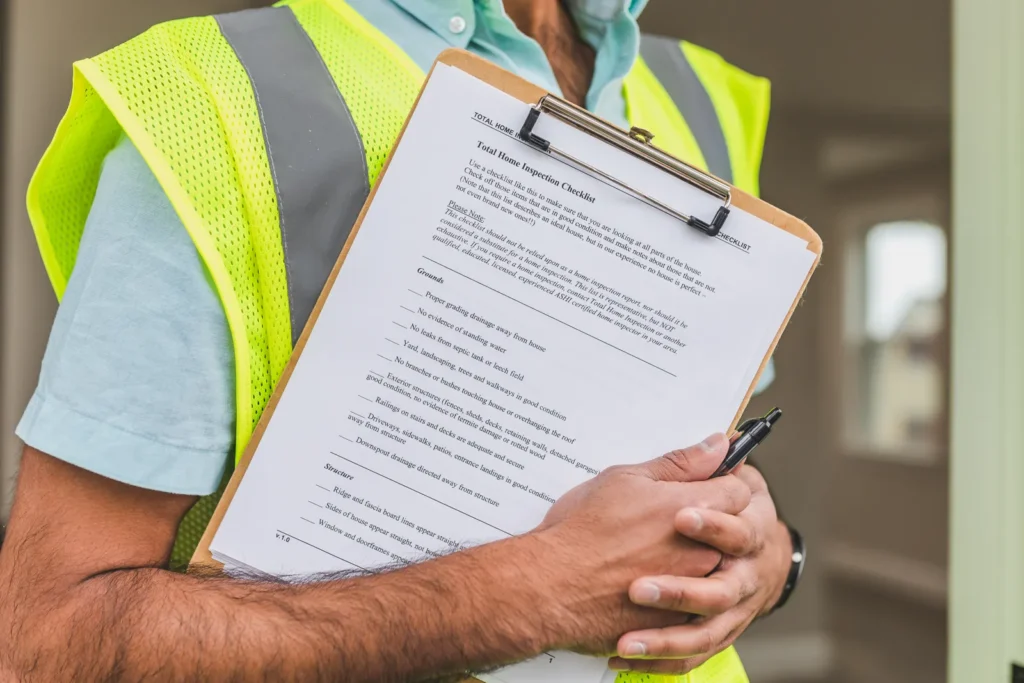
Featured image: illustrative stock photography, not Peak Environmental staff or a specific project. This article is general educational information, not legal, medical, or engineering advice.