Water Damage & Moisture Inspections in New Jersey
Independent evaluation of leaks, flooding, and dampness using moisture meters, thermal imaging, and mold sampling when appropriate. Evaluation and testing only.
- Water intrusion assessments
- Moisture mapping
- Thermal imaging screening
- Mold sampling when appropriate
Background video: illustrative stock footage, not Peak Environmental staff or projects.
Independent water intrusion assessments
After a leak, flood, or persistent dampness, the most important questions are: where did the water go, how wet are the materials, and is there evidence of mold growth? Peak Environmental of NJ provides independent water damage and moisture inspections that answer those questions with measurements and documentation.
Because we do not perform water extraction, drying, restoration, plumbing, or remediation, our findings are not influenced by the scope of a repair job. Homeowners, landlords, property managers, and buyers use our reports to understand conditions and to communicate with insurers, contractors, and other parties.
Evaluation and testing only. We do not provide emergency water extraction, drying services, water damage restoration, plumbing repairs, mold remediation, or construction. If you have active flooding or a burst pipe, shut off the water supply if it is safe to do so and contact a licensed plumber or restoration company first. Schedule an inspection once the immediate emergency is under control.
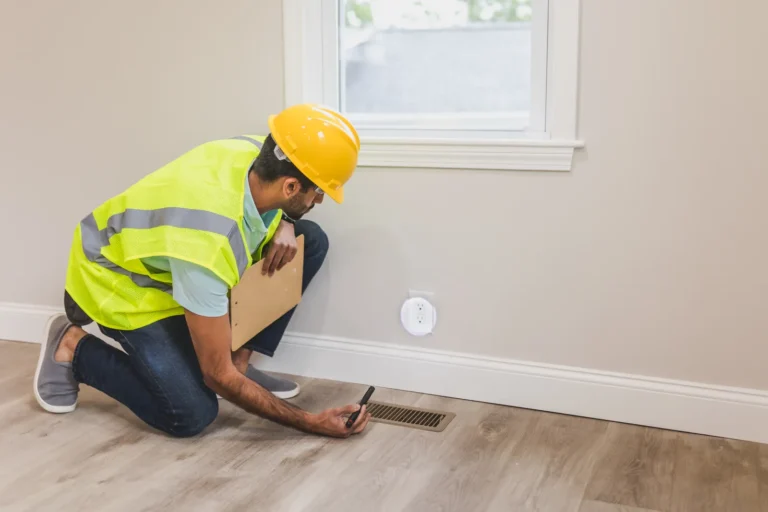
Moisture meter measurements and thermal imaging
We use moisture meters to measure the moisture content of drywall, wood framing, subflooring, trim, and other materials. Readings are compared with reference readings from unaffected areas of the same material to identify elevated moisture.
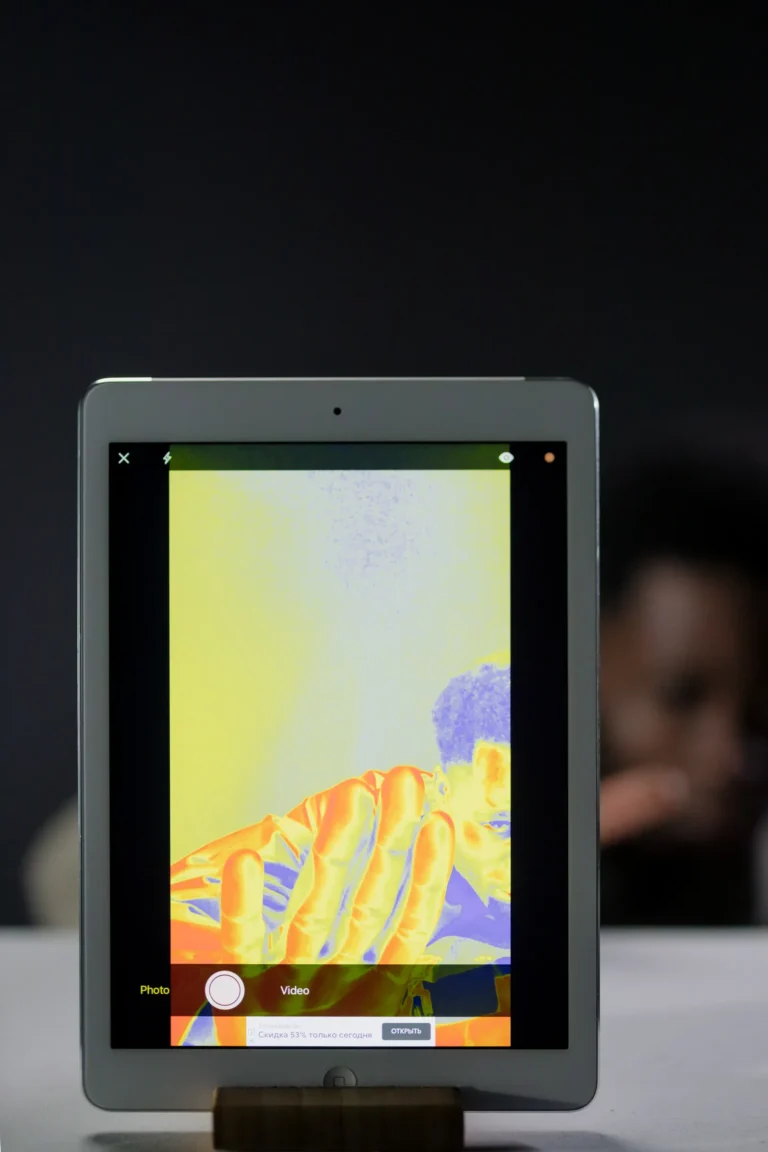
Thermal imaging cameras detect surface temperature differences that may be associated with evaporating moisture, helping us scan large areas quickly. Thermal imaging does not see through walls or detect water directly, and cool patterns can come from insulation gaps or air leaks, so every thermal finding is confirmed with a moisture meter.
Common water damage and moisture situations
Wet drywall and ceiling evaluations
Stains, bubbling paint, and sagging drywall often signal a leak from a roof, bathroom, or plumbing line above. We measure how far moisture extends beyond the visible stain, which is often farther than it appears.
Basement water intrusion
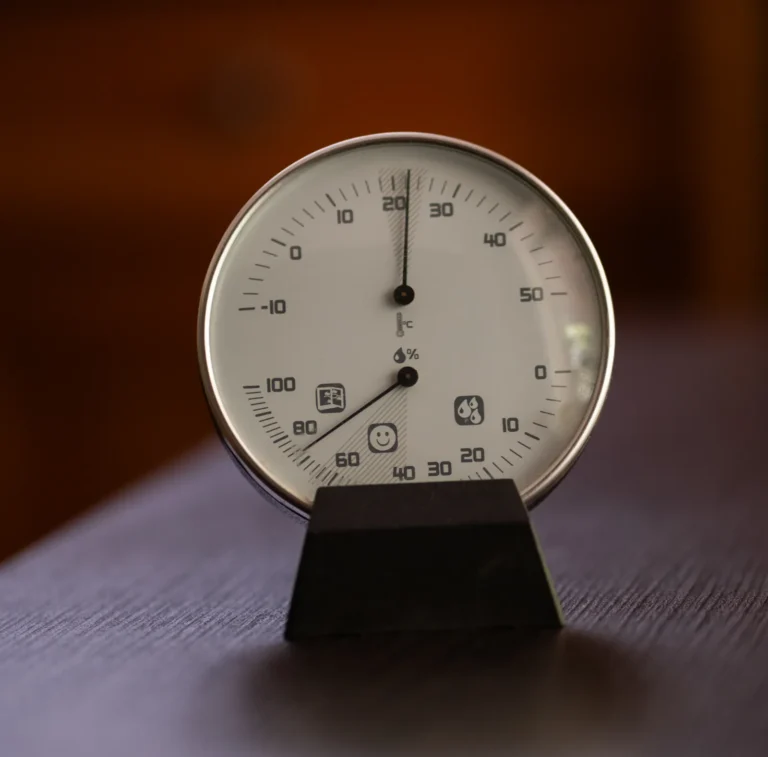
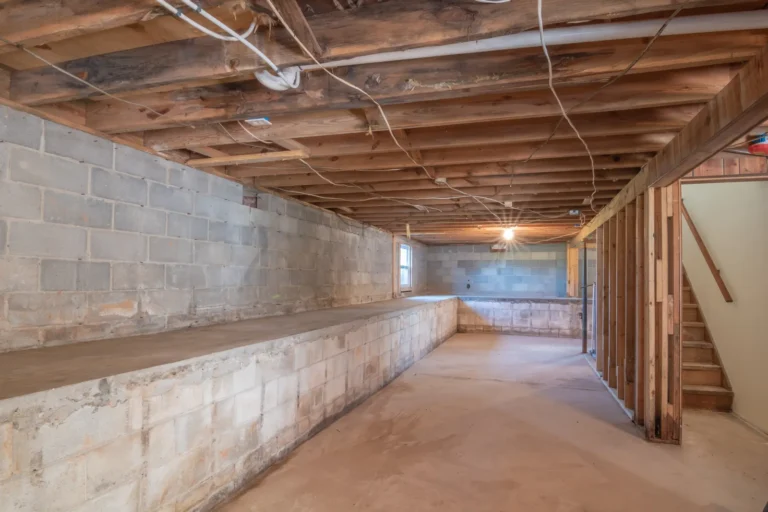
Seepage through foundation walls, slab moisture, window-well leaks, and sump failures are common in New Jersey basements. We evaluate wall and floor moisture, relative humidity, and finished materials that may be holding moisture against the foundation.
Plumbing-related moisture concerns
Slow leaks from supply lines, drains, toilets, dishwashers, and water heaters can go unnoticed for months. We help identify affected areas and the likely origin so a licensed plumber can make repairs.
Dealing with a leak or dampness?
Book an inspection to document moisture conditions and evaluate mold concerns.
Moisture mapping
Moisture mapping records readings across a grid or along affected walls and floors to show the boundaries of wet materials. Maps and photographs in your report make it easier for contractors and insurers to understand the extent of the affected area.
Mold sampling when appropriate
If materials have been wet long enough to support mold growth, or if there is visible growth or a musty odor, we can include air and surface sampling during the same visit. See our mold inspection & testing page for details on sampling methods and laboratory analysis.
Post-drying verification
After a restoration contractor has dried an area, an independent check of moisture readings can help confirm materials have returned to normal before walls are closed or flooring is installed. Ask us about availability for post-drying moisture verification when you schedule.
Written inspection findings
Your report documents the areas inspected, moisture readings and maps, thermal images where used, photographs, any samples collected with laboratory results, and observations about likely moisture sources. It also explains the limitations of the inspection, since concealed conditions cannot always be fully assessed without opening building materials.
What we do not do
Peak Environmental of NJ is strictly an inspection and testing company. We do not perform water extraction, structural drying, restoration, plumbing repairs, mold remediation, demolition, construction, or cleanup. When repairs are needed, you can hire any independent, qualified contractor, and we can return to verify conditions afterward.
Frequently asked questions
What does a moisture inspection include?
We discuss what happened, visually inspect affected and adjacent areas, take moisture meter readings on walls, floors, ceilings, and cabinetry, compare them with dry reference areas, and use thermal imaging where it helps. Findings are documented with photos and readings.
How do moisture meters work?
Pin meters measure electrical resistance between two pins pushed into a material, which changes with moisture content. Pinless meters use an electromagnetic field to scan beneath the surface without damage. Both give readings that are most useful when compared with known dry areas of the same material.
What counts as elevated moisture?
Readings are judged relative to dry reference readings of the same material in the same building, and against typical ranges for that material. A reading noticeably higher than the dry reference suggests the material is wetter than normal and worth investigating.
Can thermal imaging find hidden leaks?
Thermal imaging can reveal temperature patterns consistent with moisture, but it cannot see water directly or through walls. We confirm thermal findings with moisture meter readings.
Can you find hidden moisture without opening walls?
Meters and thermal imaging can often identify wet areas behind finished surfaces without damage. They cannot show the full extent of moisture inside a wall cavity or under flooring, which may require invasive investigation by a contractor.
Should I schedule an inspection after a leak is repaired?
Yes, if you want to know whether materials have dried or whether moisture spread beyond the visible area. An inspection after repairs and drying can document current conditions before walls or floors are closed up.
How soon after a leak should I call?
As soon as the active leak is stopped. Materials that stay wet for more than a day or two can support mold growth, so documenting conditions early helps you and your contractor make decisions.
Will you tell me where a leak is coming from?
We identify affected areas and the likely origin based on readings and observations. Some sources must be confirmed by a licensed plumber, roofer, or other specialist.
Should I test for mold after a leak?
If materials stayed wet for more than a day or two, if there is a musty odor, or if visible growth is present, mold sampling during the moisture inspection is often worthwhile. See our mold testing page.
How are conditions documented?
Your report includes the locations of readings, the readings compared with dry reference areas, photographs, thermal images where used, and our observations. It is written so you can share it with the parties you choose.
Can your report be shared with my insurance company or contractor?
Yes. Reports are written to clearly document conditions so you can share them with the parties you choose. Decisions about coverage are made by your insurer.
What are the limitations of a moisture inspection?
Readings reflect conditions at the time of the visit. Some materials, such as tile, metal, and concrete, are harder to read accurately, and meters cannot see inside closed cavities. We do not cut openings, move heavy contents, or perform destructive testing.
Do you provide emergency water damage services?
No. We do not provide emergency extraction, drying, or restoration. If water is actively leaking, stop the source if safe and contact a licensed plumber or restoration company. We can inspect and document conditions afterward.
Do you repair plumbing or dry out buildings?
No. We provide inspection, evaluation, and testing only.
Document moisture conditions with an independent inspection.
Schedule a water damage and moisture inspection anywhere in our New Jersey service area.