Professional Drinking Water & Water Quality Testing in New Jersey
Professional water sample collection and laboratory analysis for homes, rentals, and commercial properties on public water or private wells. Testing only, no equipment sales.
- City tap water
- Private wells
- Proper sampling procedures
- Laboratory analysis
Background video: illustrative stock footage, not Peak Environmental staff or projects.
Why test your drinking water?
Water can look, smell, and taste perfectly normal and still contain contaminants. Many of the substances people worry about most, such as lead, bacteria, nitrate, and arsenic, have no color, taste, or odor at the levels that matter. Laboratory testing is the only way to know what is in the water coming out of your tap.
Peak Environmental of NJ collects drinking water samples from homes and buildings and submits them to a laboratory for analysis based on the testing package you select. You receive the laboratory results with a clear explanation of what was tested and how results compare with applicable drinking water standards.
Testing only. We collect samples and report results. We do not sell or install water treatment systems, and we do not perform plumbing work, so our recommendations are not tied to selling equipment.
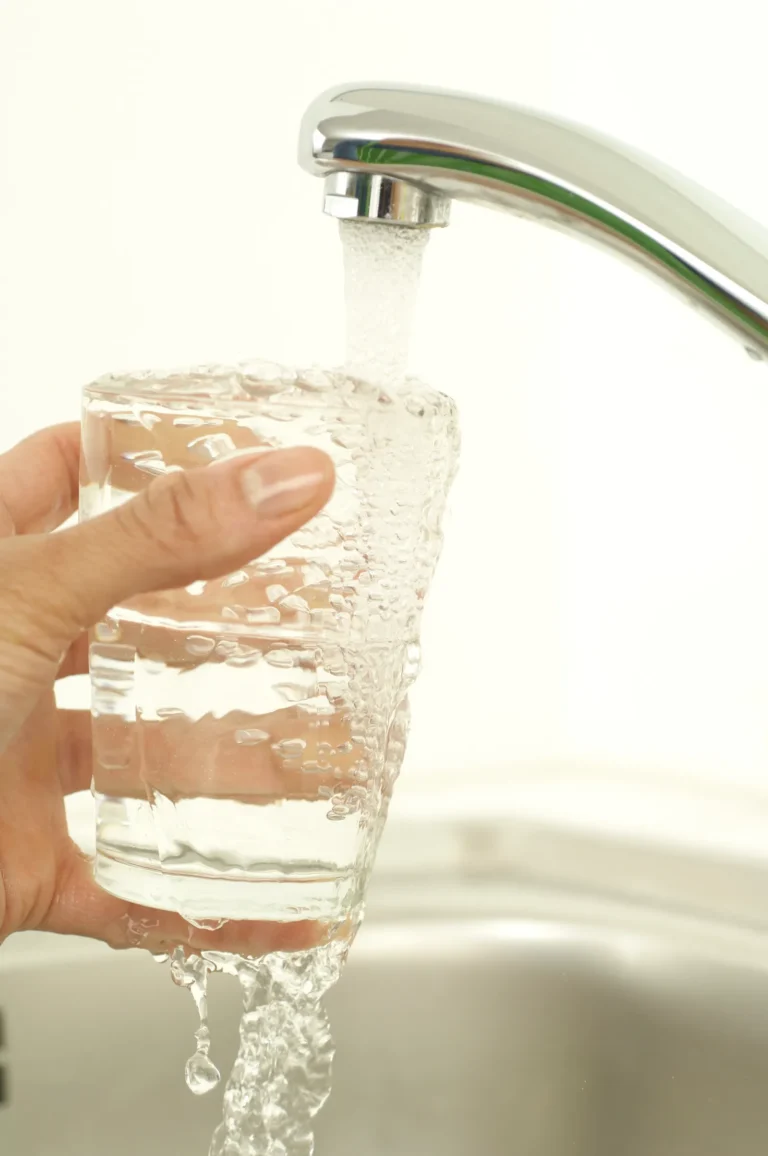
Residential, municipal, and private well water testing
Municipal (city) tap water testing
Public water systems are regulated and routinely tested by the water utility. However, water quality can change between the treatment plant and your faucet. Lead and copper, for example, usually come from service lines and household plumbing rather than the water source. Testing at your tap shows what is reaching your glass.
Private well water testing
Private wells are not regulated like public water systems, and the owner is responsible for water quality. Groundwater can be affected by naturally occurring minerals, nearby land use, septic systems, and well construction. Regular testing is the only way to monitor a private well.
Residential drinking water testing
Whether you rely on city water or a well, residential testing can answer specific questions: Is there lead in my water? Is my well water bacteriologically safe? Why does my water stain fixtures?

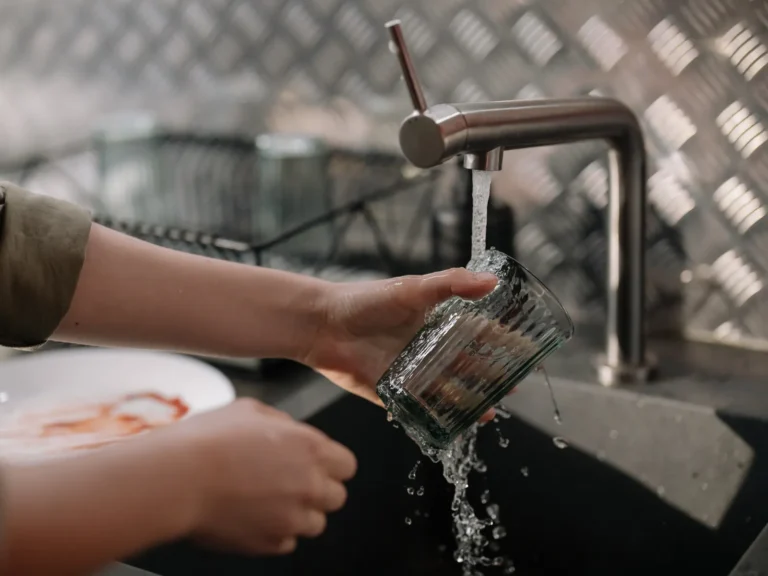
Water sampling procedures
How a sample is collected has a major effect on the result. Depending on the analysis, procedures may include:
- Using sterile or preserved laboratory-supplied bottles specific to each analysis
- Collecting a first-draw sample after water has sat unused in the plumbing (important for lead and copper), or a flushed sample to represent the water supply
- Removing aerators and disinfecting the faucet when collecting bacteria samples
- Labeling each bottle with the location, date, and time, and documenting chain of custody
- Keeping samples cold and delivering them to the laboratory within required holding times
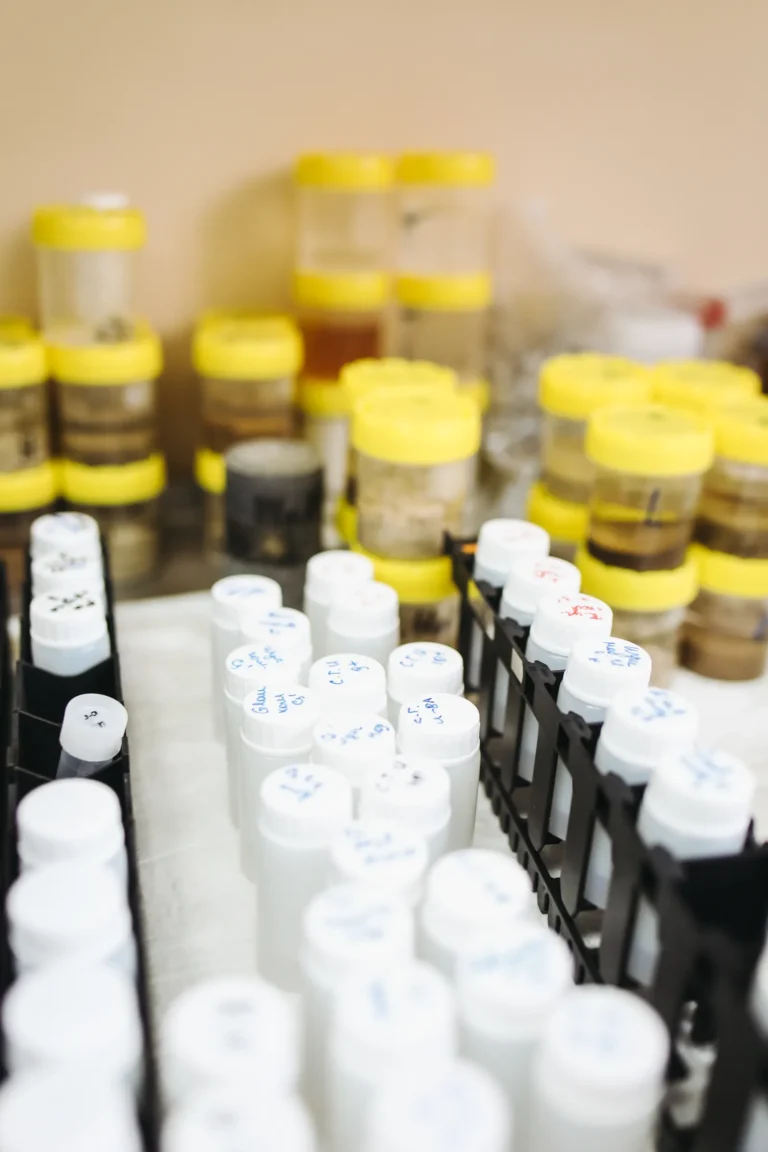
Common water quality concerns
The analyses available depend on the laboratory and the testing package you choose. Ask us which analyses are available for your situation. The following are among the most common concerns New Jersey homeowners ask about.
Lead in drinking water
Lead typically enters drinking water from lead service lines, lead solder used in older plumbing, and certain brass fixtures. There is no known safe level of lead exposure, especially for children.
Copper
Copper can leach from copper plumbing, particularly when water is corrosive. Blue-green staining on fixtures can be a sign.
Total coliform and E. coli
Coliform bacteria are indicators used to assess whether a water system may be vulnerable to contamination. E. coli specifically indicates fecal contamination. Bacteria testing is a fundamental check for private wells.
Nitrate and nitrite
Nitrate can enter groundwater from fertilizers, septic systems, and animal waste. Elevated nitrate is a particular concern for infants.
Iron and manganese
These naturally occurring metals can cause staining, discoloration, and metallic tastes. Manganese can also be a health concern at elevated levels.
Arsenic
Arsenic occurs naturally in some New Jersey bedrock formations and can be present in well water without any noticeable signs.
PFAS
Per- and polyfluoroalkyl substances (PFAS) are synthetic chemicals that persist in the environment. New Jersey has been a leader in setting drinking water standards for certain PFAS compounds. PFAS analysis requires specialized laboratory methods.
Other contaminants
Additional analyses, such as pH, hardness, volatile organic compounds, and others, may be available depending on laboratory capabilities and your concerns.
Not sure what to test for?
Tell us about your water source and concerns, and we will explain the testing options available.
When to test your water
- Older homes: buildings that may have lead service lines or lead solder
- After plumbing changes: new pipes, fixtures, water heaters, or service line work
- After flooding: especially for private wells, where floodwater can contaminate the well
- Changes in taste, odor, or color, or new staining on fixtures
- A new baby or pregnancy in the household
- Buying or selling a home, particularly one with a private well
- Routine well monitoring, with bacteria commonly checked at least annually
Understanding laboratory results and drinking water standards
Laboratory reports list each parameter tested, the measured result, the units, and the reporting limit. Results are typically compared with drinking water standards established by the U.S. EPA and the New Jersey Department of Environmental Protection (NJDEP), such as maximum contaminant levels (MCLs) and action levels. Some parameters have secondary (aesthetic) standards related to taste, staining, or odor rather than health.
Your report explains which results meet the applicable standards, which do not, and which parameters were not part of your testing package.

Sampling limitations
A water sample represents the water at that faucet at the time of collection. Results can vary with water use, season, plumbing conditions, and, for wells, rainfall and groundwater levels. Testing covers only the parameters included in your package. A result that meets standards for the analytes tested does not mean the water is free of every possible contaminant.
What if results exceed a standard?
If a result exceeds a drinking water standard, consider using an alternative water source for drinking and cooking until the issue is addressed. Contact your water utility (for public water), your local health department, or a qualified water treatment or well professional for corrective options, and retest to confirm. We do not sell treatment equipment.
A note on New Jersey well testing for real estate transactions
New Jersey’s Private Well Testing Act requires testing of certain private wells when a property is sold or leased, using laboratories certified by NJDEP for the required parameters. If you need testing to satisfy the Act, please tell us when you contact us so we can discuss whether our services meet those specific requirements before scheduling.
Frequently asked questions
How do I know whether my drinking water needs testing?
Consider testing if you have a private well, live in an older home that may have lead plumbing, notice changes in taste, color, or odor, have had flooding or plumbing work, or have a new baby in the home.
How are drinking water samples collected?
Samples are collected at a tap, usually the kitchen faucet used for drinking, in laboratory-supplied bottles. The procedure depends on the analysis: some samples are taken from the first water out of the tap, others after flushing, and bacteria samples require a disinfected faucet with the aerator removed. Each bottle is labeled and logged on a chain-of-custody form.
Why does the sampling procedure matter so much?
The way water is collected changes what the result represents. A first-draw sample shows what sits in your plumbing overnight, while a flushed sample better represents the water supply. A contaminated bottle or faucet can produce a false bacteria result. Following the laboratory’s procedure is what makes the result meaningful.
What sample containers are used?
The laboratory supplies containers specific to each analysis. Bacteria bottles are sterile and often contain a chemical to neutralize chlorine; bottles for metals may contain a preservative. They should not be rinsed or reused, which is one reason professional collection helps avoid errors.
Can you test water for lead?
Lead analysis is one of the most commonly requested water tests. Ask about lead testing when you schedule, and we will explain the sampling procedure.
Where does lead in drinking water come from?
Lead usually enters water from lead service lines, lead solder in older plumbing, and some brass fixtures, rather than from the water source itself. That is why lead can be present at one home and not at a neighbor’s on the same water system.
Why is first-draw sampling used for lead?
Water that has sat still in household pipes for several hours has had time to pick up lead from plumbing materials. Sampling that first water shows the highest level you are likely to drink, which is the most protective way to screen for a plumbing problem.
Can I test for bacteria?
Ask about bacteria testing, such as total coliform and E. coli, when you contact us. Bacteria samples require sterile collection and prompt delivery to the laboratory.
What is the difference between total coliform and E. coli?
Total coliform bacteria are a broad group that is commonly used as an indicator that surface water or contamination may be entering a water system. E. coli is a specific member of that group that indicates fecal contamination. A positive E. coli result is treated more seriously and calls for immediate action.
What should I do if coliform or E. coli is detected?
Stop drinking the water or boil it as directed by your local health department, notify your utility if you are on public water, and have a qualified well or water treatment professional investigate the cause. Resampling after any correction confirms whether the problem has been resolved.
What is the difference between city water and well water testing?
City water is treated and monitored by the utility, so tap testing usually focuses on contaminants that can enter through household plumbing, such as lead and copper. Private wells are the owner’s responsibility, so testing often covers bacteria, nitrate, naturally occurring metals, and other groundwater concerns.
How often should private well water be tested?
Health agencies commonly recommend testing private wells for bacteria at least once a year, with broader testing periodically and whenever conditions change, such as after flooding or nearby construction.
How long do laboratory results take?
Turnaround depends on the analyses and laboratory. Bacteria results are often faster than metals or specialized analyses. We will give you an expected timeframe when you schedule.
How do I read my water test results?
For each analysis the laboratory lists the result, the units (such as milligrams per liter or micrograms per liter), the reporting limit, and often the applicable drinking water standard. "Not detected" means the result was below the laboratory’s reporting limit. We explain how each result compares with the standard.
What is included in a water testing package?
Packages vary by laboratory and purpose. We will explain which analyses are included before sampling so you know exactly what is being tested.
Can you test for PFAS?
PFAS analysis requires specialized laboratory methods. Contact us to ask about current availability.
What should I do if my results exceed a drinking water standard?
Use an alternative source for drinking and cooking until the issue is addressed, contact your utility or local health department, consult a qualified treatment or well professional, and retest to confirm results.
Do you install water filters or treatment systems?
No. We provide sampling and testing only, which keeps our results independent from any equipment sales.
Find out what’s in your water.
Schedule drinking water sampling and laboratory testing for your New Jersey property.